

Media Markt
Optimization of the product management process

Challenge
As one of Europe’s leading retail chains, Media Markt is dynamically developing its digital channels, striving to maximize customer value. As part of this strategy, the need arose to improve the management of digital initiatives-from idea generation, through validation and development, to effective implementation and ongoing product maintenance. Key to these efforts was ensuring efficient decision-making and effective project implementation, which would translate into tangible business results.
The EO team – expert knowledge and partnership in change

Media Markt invited us to collaborate to develop a coherent and effective approach to digital product lifecycle management.
Key areas of activity:

We provided tools and knowledge that allowed for better definition of product strategy and development priorities

We actively supported teams in launching initiatives, helping with effective planning, iterative implementation, and monitoring business value.
Optimization
Area 1:
Defining strategy and setting priorities
Every digital product begins with an idea, but the most important thing is transforming it into real business value. Together with the Media Markt team, we have developed a clear framework.
The new approach allows for:
Effective goals based on OKRs
Specifically defined business and product goals based on the OKR methodology
Impact Mapping
Verifying ideas and adapting them to real user needs through Impact Mapping.
Clear roadmap
Creating a clear roadmap that streamlines the process of setting priorities and making strategic decisions.

Analytical meetings
Increasing business engagement through regular analytical meetings, enabling early clarification of key project assumptions
Area 2:
The process of task management and iterative change implementation
One of the key aspects of effective product management is an appropriate backlog structure and a transparent iterative delivery process.
What we did?



Area 3:
Smooth implementation and scalability of solutions
The effectiveness of the product process does not end with planning the roadmap – its efficient implementation is also crucial.
What we implemented?

Mechanisms for validating functionalities before their full implementation, which increased the quality of delivered changes.

Optimized collaboration between teams, which reduced roadblocks resulting from waiting for key decisions.

Better management of priorities, which helped avoid situations in which sudden changes in decisions affected the effectiveness of project implementation.
Optimization of the Continuous Integration / Continuous Delivery (CI/CD) process, enabling faster and more predictable implementations.
Result and long-term impact

Reduced decision-making time increased the organization’s ability to respond quickly to market needs.
Improved collaboration between business and product teams eliminated protracted analyses and delays in key design decisions.

The improved backlog management process has streamlined work planning and the delivery of valuable functionality.
These changes have allowed Media Markt to achieve greater predictability and efficiency in managing its digital products. Product teams have gained a clear strategy and prioritization mechanisms that support data-driven decision-making.
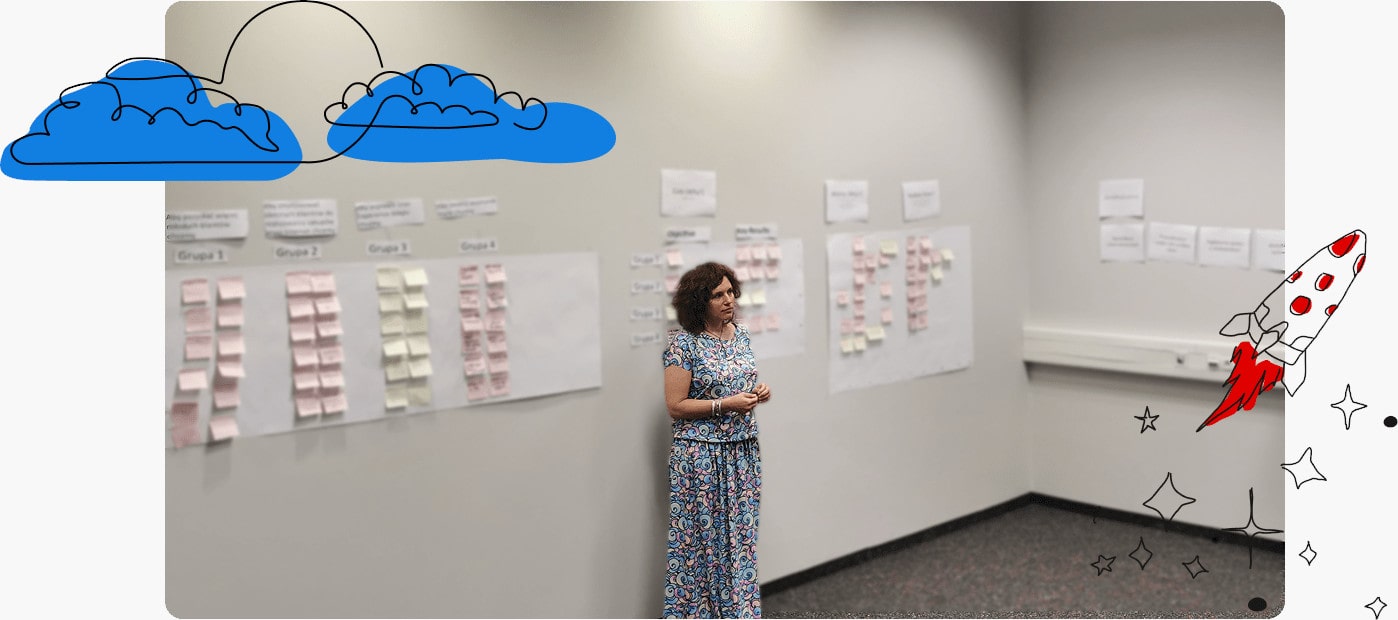
Our collaboration with Media Markt allowed us to not only deliver effective tools and methods supporting Product Discovery but also implement them in practice. This allows the company to develop its digital initiatives more predictably, effectively, and scalably.