Semilac Design Sprint
Verification of Semilac brand service development plans
Challenge
Faced with intense competition and rapidly evolving consumer needs, Semilac-a leading manufacturer of hybrid nail polishes and nail accessories-took on a strategic challenge: strengthening loyalty among mobile nail stylists. The company recognized the potential of designing dedicated solutions to support the stylists’ daily work. However, it was crucial to ensure that the proposed functionalities genuinely met their expectations and reinforced their connection with the brand.
The Semilac team, in search of new opportunities, partnered with eo Networks, choosing to run a Design Sprint—a method that enables rapid validation of assumptions with users and efficient development of solutions to defined challenges. This process made it possible to quickly create a prototype, test ideas directly with users, and gather valuable feedback from stylists using competitive tools.
Main challenges of the project:

Validation of the
actual need for a new
solution.

Competitiveness of the
solutions already used by
the stylists.

Understanding the expectations and
specific needs of the target
group.
Creating a solution
that supports mobile
nail stylists and strengthens their
loyalty to the brand.
Project parameters
Design Sprint)
- IDI Interviews
- 4-day Design Sprint
- Rapid prototyping
- Moderated user testing
Completed
works
Preparation stage
In-depth interviews
Before initiating the Design Sprint workshops, the EO team conducted in-depth interviews with representatives of Semilac’s target group. These interviews, guided by a detailed script, aimed to gain a deeper understanding of the everyday challenges, needs, and expectations of nail stylists regarding potential digital solutions. The insights gathered during this preparatory phase proved to be extremely valuable for the subsequent design work, helping the team focus on functionalities that truly matter from the stylists’ perspective.
Day 1:
Defining challenges and designing solutions
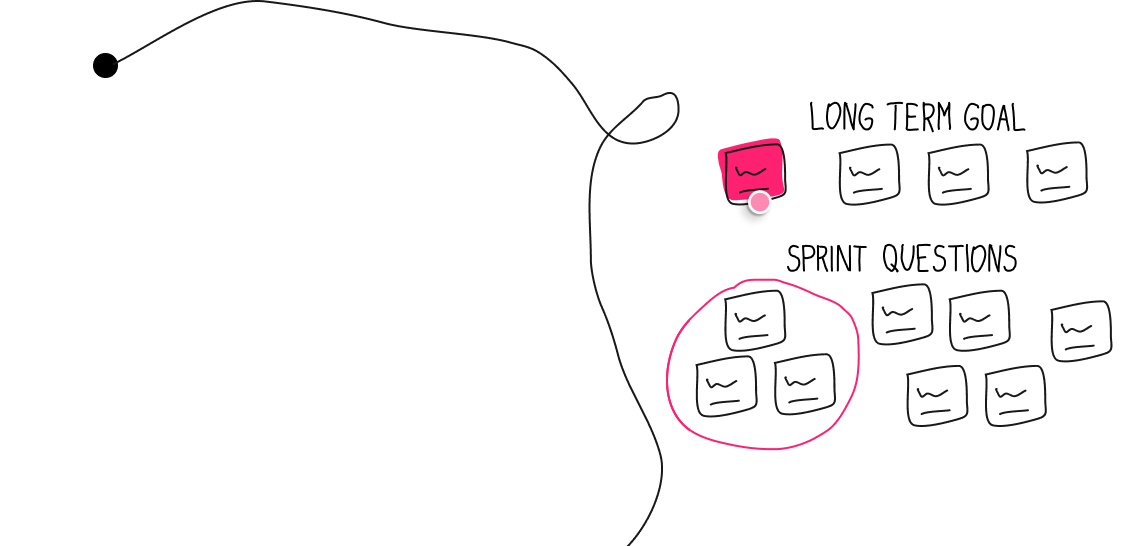
Goal definition and problem identification
At the outset, we collaboratively defined the sprint goal and key questions, establishing the context and direction for the process. Analyzing both user and business needs enabled the team to focus on the most critical challenges.
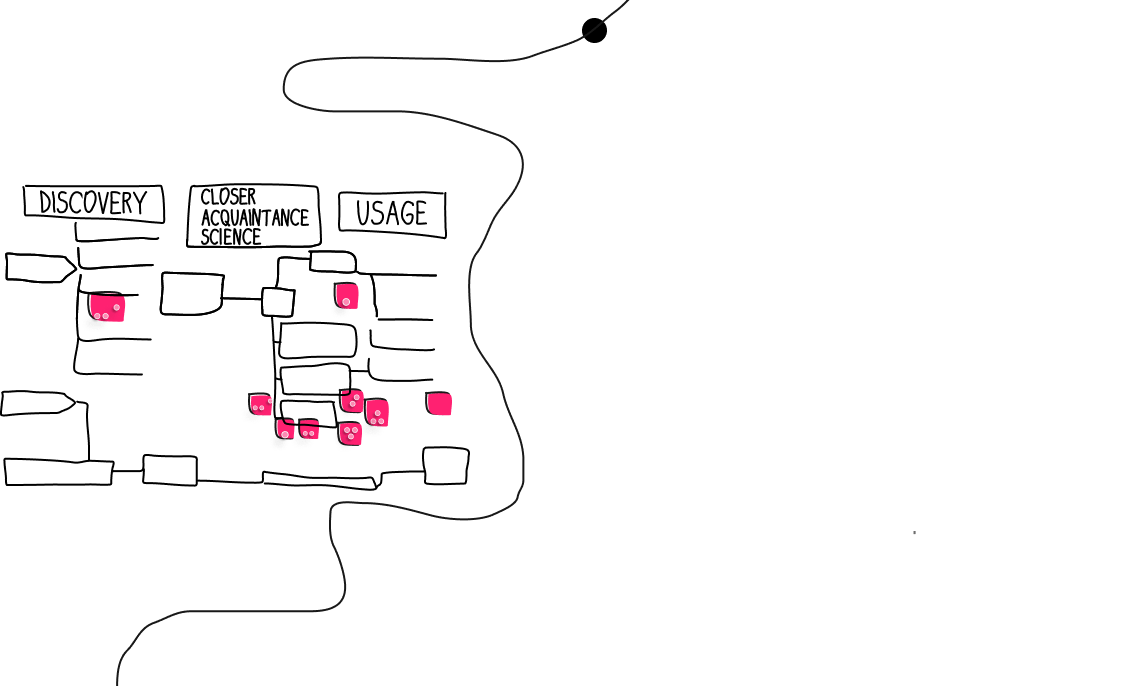
Identification of risk points on the user journey
We broke down the current user journey into its basic components, identifying potential barriers and risks. This allowed us to highlight key points that require optimization, which could impact the customer experience and product success.
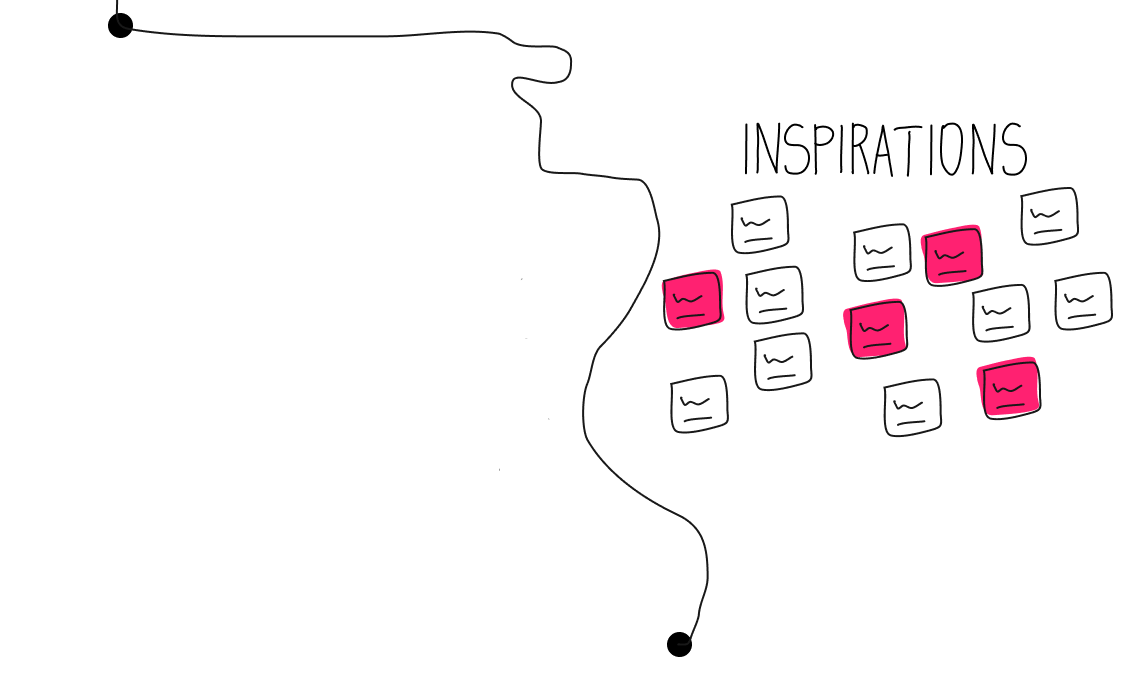
Creative exercises and seeking inspiration
As part of the creative problem-solving process, we conducted a structured brainstorming session that enabled the team to generate a variety of ideas. We also drew inspiration from other industries and products to gain new perspectives on the challenge and discover unconventional approaches.
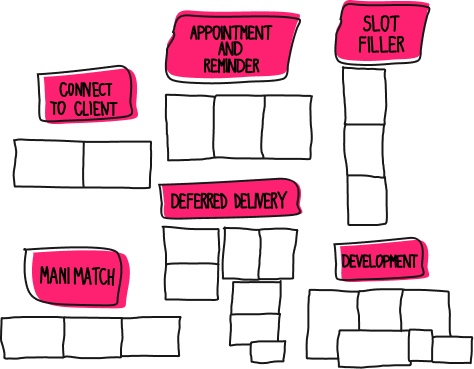
Creating solution proposals
In the end, we collectively selected from the proposed directions the one that best aligned with the sprint goal and user needs. This became the foundation for further prototyping and testing.
Day 2:
Solution selection and user journey
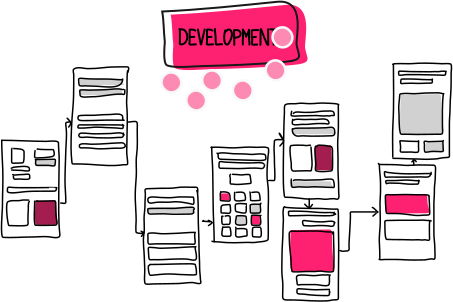
Selection of the design concept
We analyzed all the concepts, evaluating them in terms of business value, feasibility, and impact on users. Based on this, we selected the solution that became the foundation for further actions.
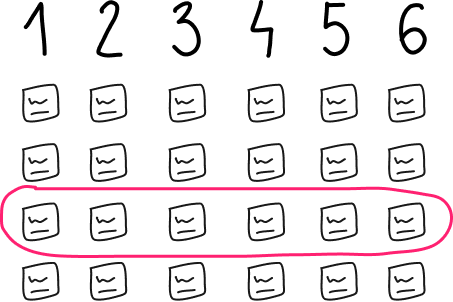
Flow development and selection
We translated the chosen concept into a clear and intuitive user flow across several key steps. This allowed us to identify which interactions and features are most important at each stage of the customer experience.
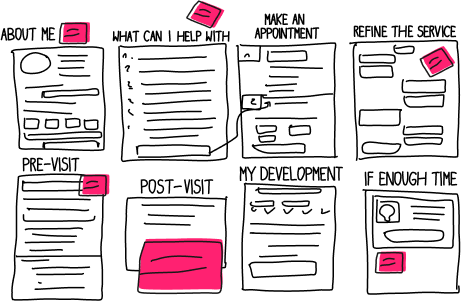
Designing the user journey
Based on the selected flow, we created a storyboard, which became the foundation of the prototype and helped visualize the future user experience before testing.
Day 3:
Prototyping
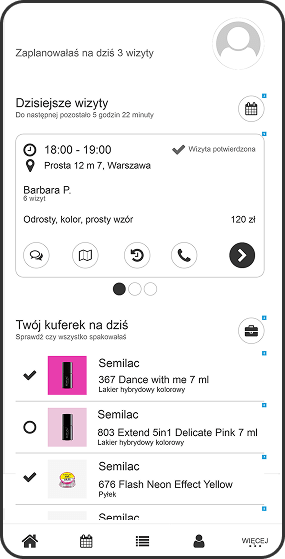
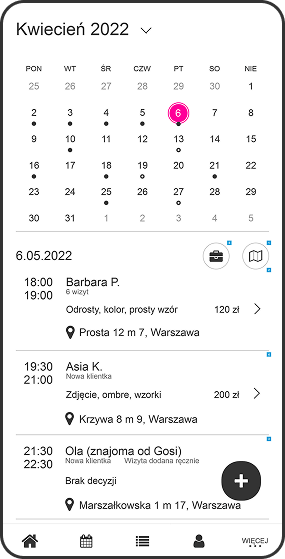
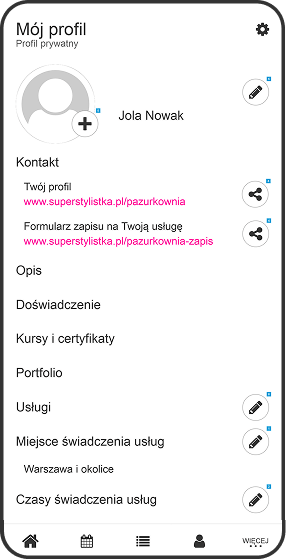
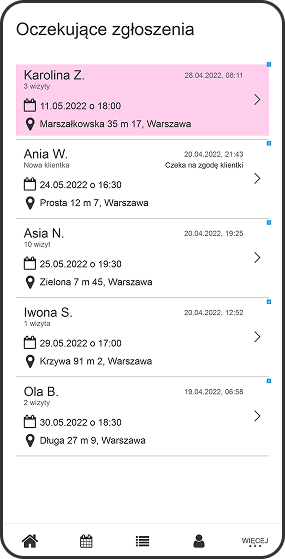
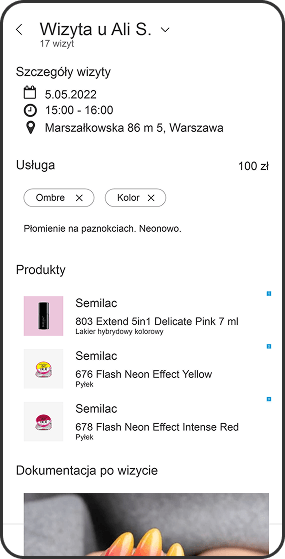
Based on the selected user journey, the Product Designer created an interactive prototype that visualized the concept in terms of intuitiveness, consistency, and usability. It reflected key functionalities and interaction logic, allowing us to assess navigation flow and alignment with user expectations. This enabled us to identify barriers and optimize the experience even before the solution’s implementation.
Day 4:
User Testing
We conducted tests to verify the design assumptions with users. We observed their interactions with the prototype, identifying difficulties and areas for improvement.
Solution
The Design Sprint we conducted for Semilac played a crucial role in redefining the development strategy for their mobile application. Initially, the client planned to create a completely separate solution, but during the workshops, we collectively discovered that the original concept did not meet the real needs of users. Based on the research results, we jointly decided to change direction — instead of developing a standalone app, we chose to implement dedicated features for the PRO group within the existing Mój Semilac app.
Over four intensive workshop days, we moved from an idea to a testable prototype. We validated assumptions, identified key functionalities, and minimized the risk of design errors. As a result, we built a solid foundation for further product development — based on data rather than guesswork, and genuinely tailored to user needs.

Thanks to the Design Sprint, we were able to validate the initial assumptions early on and quickly identify that the planned app did not meet the real needs of the users. This helped avoid the risk of a costly implementation of an ineffective solution.

Instead of creating a separate tool, we focused on developing features within the existing Mój Semilac app. This way, we avoided allocating resources to unnecessary development and gained more capacity for activities that deliver real value.

During the workshops, we delved deeper into the world of key users — mobile stylists. This enabled us to design solutions that truly address their daily needs and challenges.

Instead of relying on assumptions, we provided the client with concrete data and insights gathered from direct conversations with users. Even before starting development, the client gained knowledge that enabled them to make informed design decisions — based on real needs rather than intuition.
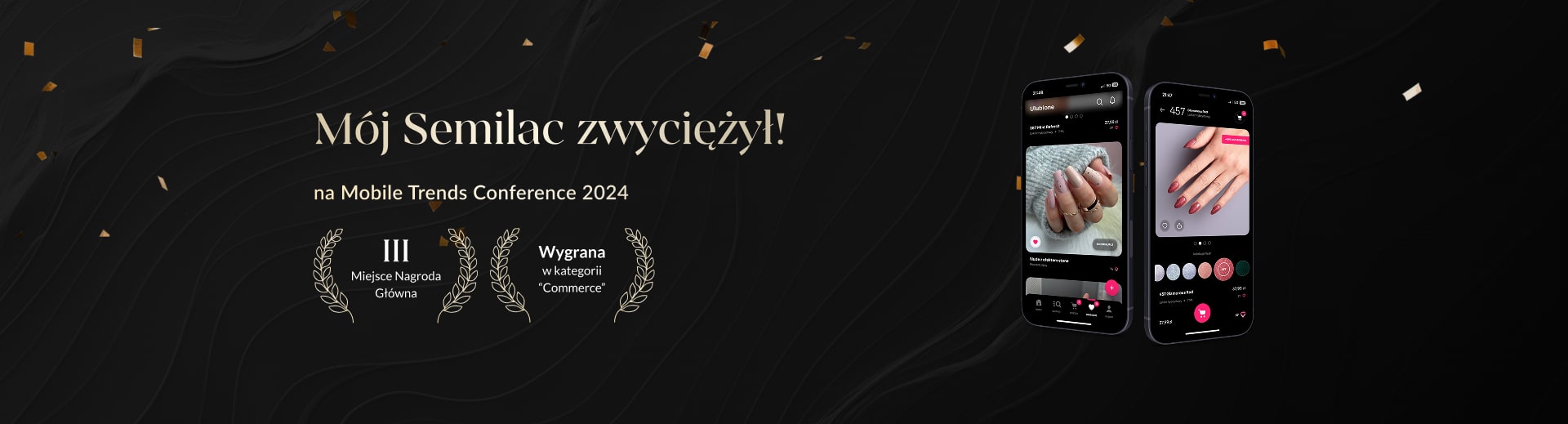
We introduced a B2B module into the existing app, enabling stylists to create salon profiles, access business privileges, and making it easier for clients to find services tailored to their needs. As a result, the solution gained recognition in the m-commerce industry and was honored with two Mobile Trends Awards trophies.